






The best pharmaceutical training videos don’t just explain the science.They make it easier to understand, remember, & apply
1
Introduction
Pharmaceutical companies partner with healthcare communication specialists to develop interactive educational videos for product training. These teams combine scientific expertise, instructional design, 3D animation, and interactive development to explain complex products accurately.
Unlike traditional training materials, interactive educational videos engage learners through visual storytelling, knowledge checks, and interactive content. They are widely used for product launches, Medical Affairs, sales training, HCP education, and medical device training, helping organizations deliver consistent and scalable learning experiences.

2
Why Pharmaceutical Companies Are Moving Beyond Traditional Training
As therapies, biologics, and medical devices become more complex, traditional training methods like presentations, manuals, and webinars often fail to explain clinical data, mechanisms of action, and product usage effectively.
Interactive educational videos improve understanding through visual explanations, knowledge checks, and realistic scenarios. They also support consistent global training, integrate with Learning Management Systems (LMS), and help pharmaceutical companies deliver standardized, measurable, and scientifically accurate product education.
3
Who Develops Interactive Educational Videos?
- Developing interactive educational videos for pharmaceutical training requires a multidisciplinary team that combines scientific accuracy with engaging learning design.
- The team typically includes:
- Medical Writers: Create clear, evidence-based educational content.
- Scientific Communicators: Simplify complex medical concepts.
- Instructional Designers: Develop learning objectives and assessments.
- Medical Illustrators & 3D Animation Specialists: Visualize anatomy, MOA, disease pathways, and product usage.
- UX Designers & eLearning Developers: Build interactive experiences, quizzes, and simulations.
- Quality Assurance Reviewers: Verify content accuracy, functionality, and LMS compatibility.
4
Types of Interactive Educational Videos for Pharmaceutical Product Training
Pharmaceutical companies use interactive educational videos to support different training objectives throughout the product lifecycle.
- Product Launch Training Introduces new therapies, clinical evidence, and product positioning for commercial and medical teams.
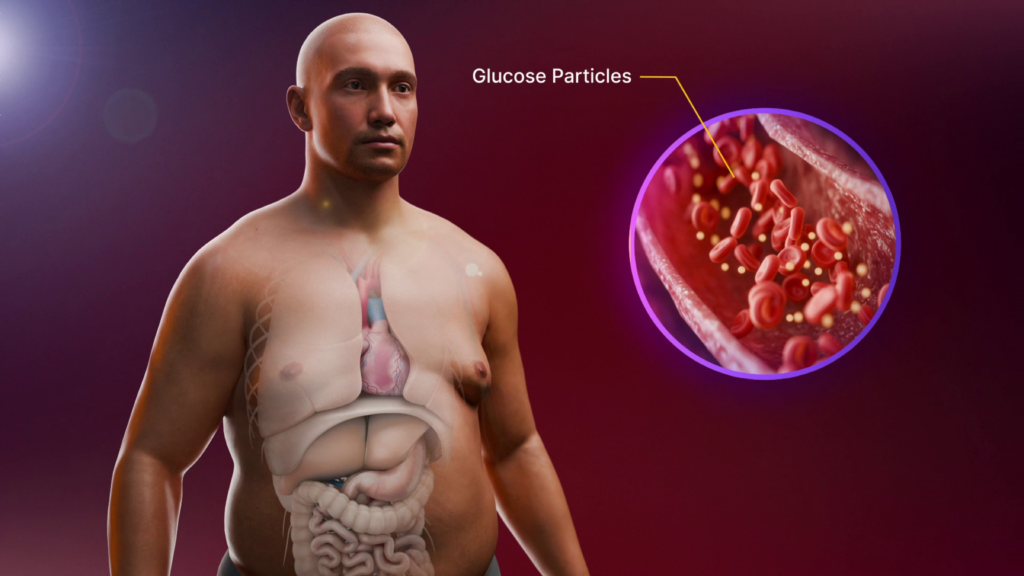
- Mechanism of Action (MOA) Education Uses 3D medical animation and interactive elements to explain how therapies work.
- Disease Education Explains disease progression, treatment pathways, and key clinical concepts to strengthen scientific understanding.
5
How Interactive Educational Videos Are Developed
Interactive educational videos begin with defining the product, target audience, and learning objectives. Medical writers and subject matter experts then transform scientific content into a structured learning framework.
Instructional designers create storyboards, while 3D animation specialists and eLearning developers build visual assets and interactive features.
Before deployment, each module undergoes scientific and quality reviews to ensure content accuracy, functionality, and LMS compatibility, delivering consistent and scalable pharmaceutical training.

6
Benefits for Pharmaceutical Companies
Interactive educational videos help pharmaceutical organizations deliver consistent, measurable, and engaging training through self-paced learning and assessments.
Key benefits include:
- Higher learner engagement
- Better understanding of scientific concepts and product information
- Faster onboarding
- Consistent global training
- Reduced instructor-led training
- LMS-based learning insights
- Improved product readiness before launch
These benefits help organizations deliver scalable, standardized, and effective pharmaceutical training.
7
How to Choose the Right Development Partner
Choosing the right partner requires expertise in scientific communication and interactive learning, not just a strong portfolio.
Look for:
- Experience in pharmaceutical and healthcare projects
- Ability to simplify complex science
- Expertise in 3D medical animation and interactive learning
- Support for SCORM, xAPI, and LMS integration
- Understanding of medical review and compliance
- Experience with global training programs
- Support for future updates and product expansion
A healthcare-focused partner helps ensure scientific accuracy, efficient development, and scalable training.
8
Why Companies Choose Specialized Healthcare Communication Agencies
Pharmaceutical training requires expertise in scientific communication, product education, and interactive learning beyond traditional video production.
Healthcare communication agencies combine medical writing, instructional design, 3D visualization, and interactive development to create accurate and engaging learning experiences.
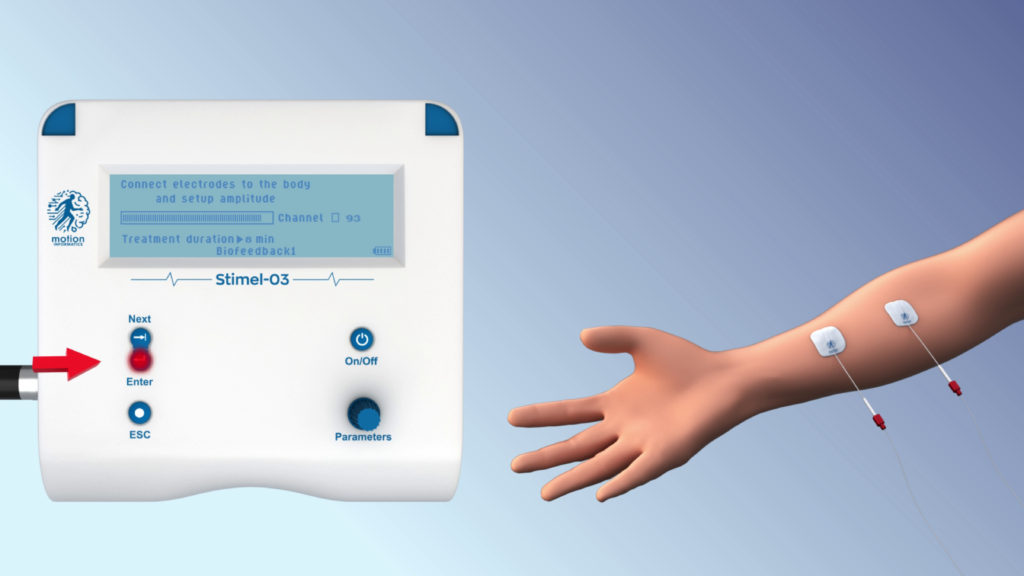
Ethosh delivers interactive educational solutions that integrate 3D medical animation, interactive learning modules, medical device simulations, and digital learning for pharmaceutical and medical device organizations, making training easier to understand, deploy, and measure.
9
Conclusion
Interactive educational videos help pharmaceutical organizations simplify complex scientific information through engaging, learner-focused experiences. By combining medical expertise, instructional design, and interactive technologies, they support product launches, HCP education, Medical Affairs training, and commercial readiness.
Partnering with a healthcare communication agency with expertise in scientific content, 3D visualization, and interactive learning ensures training is accurate, scalable, and aligned with pharmaceutical education goals.
